
How we created a framework to evaluate product flows
Role
Me 👋
Turo · SR Researcher
Ricardo Grego · VP of Design
Nic Ferraz · Head of Product Design
Product Design
Team
Tools
Figma
Figjam
Status
In prod


This is a QuintoAndar case, a proptech that enables tenants to rent properties entirely through digital means, negotiating directly with property owners.
Think of it as an Airbnb, but for renting purposes. You can gain a better understanding of what QuintoAndar is through this Forbes article.
A bit of context
The project was initiated by the VP of Design to assess the app's user experience and pinpoint key areas for design improvement. Working closely with my colleague Turo, we received direct guidance from the Head of Design and the VP to develop a comprehensive framework and the necessary tools.
We immersed ourselves in a specific phase of the user journey, using the insights gained to create tools that could be reused by other designers. This led to the creation of UX Clinics Program: diagnostic tool aimed at enhancing the user experience by enabling teams to evaluate and compare product flows, identify pain points, and prioritize the most critical areas to address.
Problem Framing
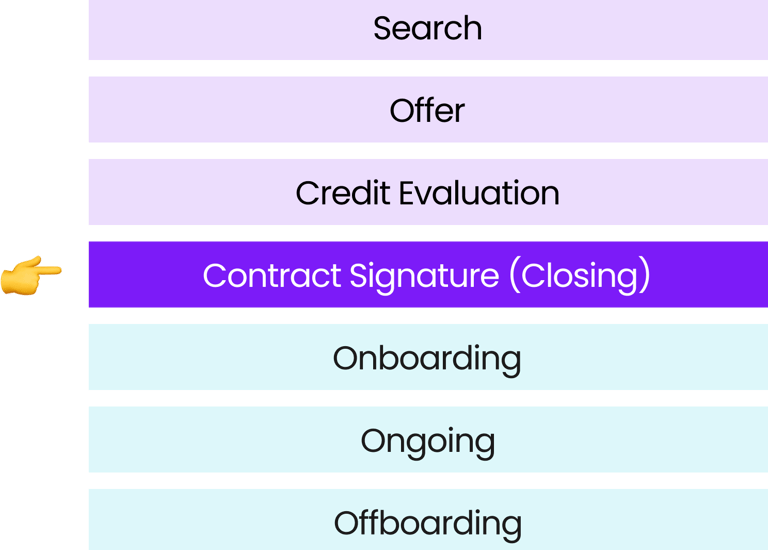
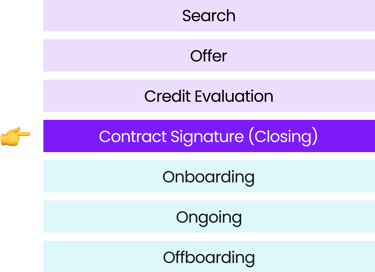
The company's strategy was centered on minimizing the 'Ticket Rate': the frequency with which users needed to seek assistance from human support.
For this projetc, we prioritized the Contract Signature flow (also known as 'Closing'), which ranked first in the Pre-Contract had the third-highest overall Ticket Rate.
To map this journey, we gathered data from multiple sources:
(1) CX tickets to uncover users pain points
(2) Shadowing sessions with users going through the Contract Signature journey
(3) Interviews with Team Leaders from Ops to understand operational challenges
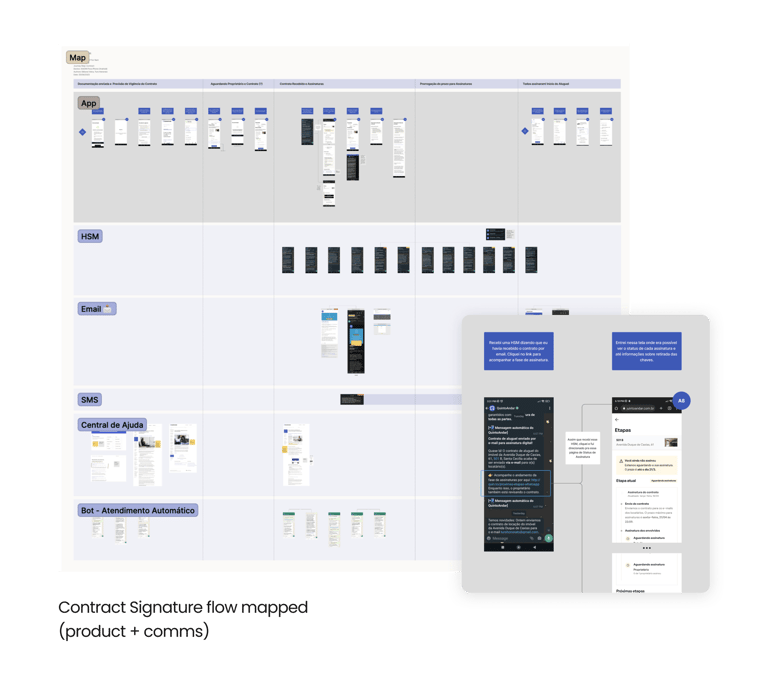
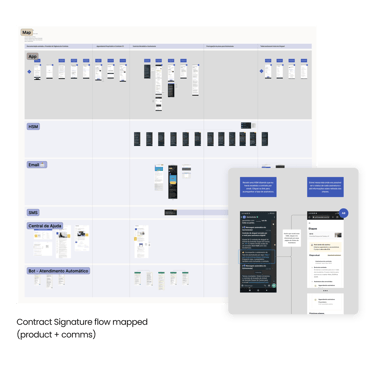
(4) Mystery shopping to map product + comms touchpoints


Research
Audit
After mapping, we created templates and invited senior/staff designers to collaborate in identifying and documenting UX debts considering the holistic user journey.
We categorized the assessments into three types:
- Nielsen Heuristics
- Content Evaluation
- Visual Assessment
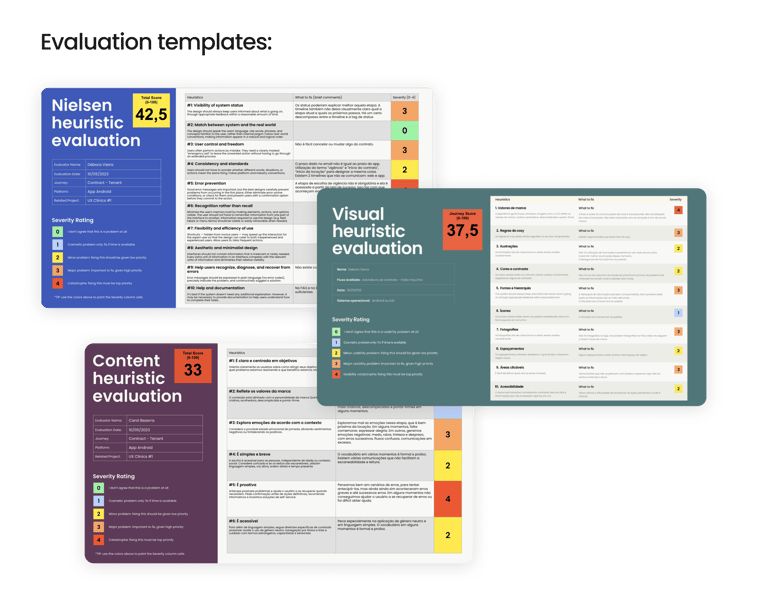
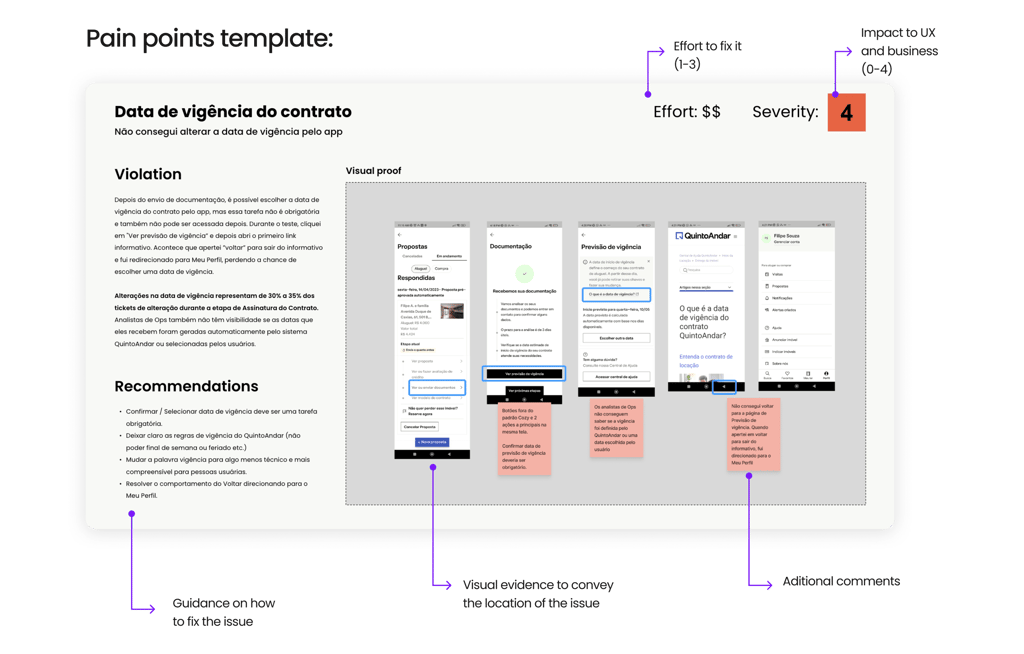
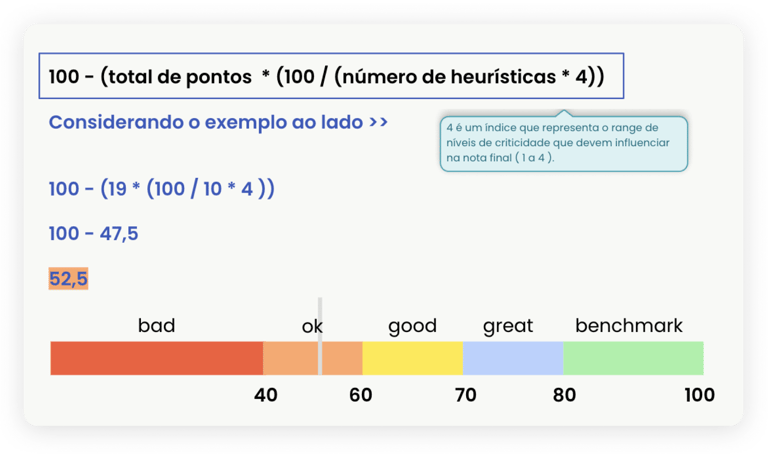
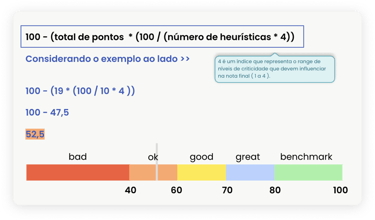
We categorized UX debts according to severity and required effort for resolution.
Subsequently, we developed a calculation methodology to derive an overall score
Action
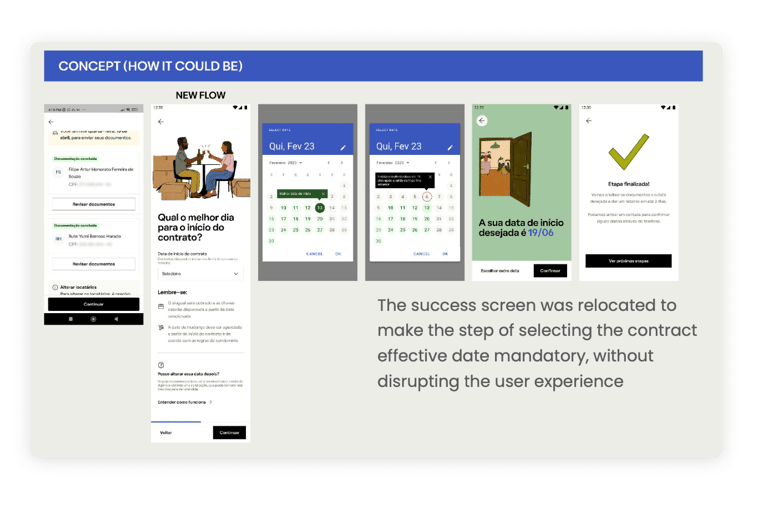
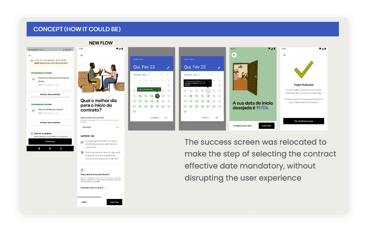
Ultimately, we prioritized a select set of critical issues to elevate visibility and drive action.
By sharing the UX Clinics report along with clear recommendations for change, we influenced planning and secured the allocation of a dedicated team to address the identified UX debt.
Following this initiative, we were invited by leadership to replicate this audit process across other business contexts.
Measurable Business Impact
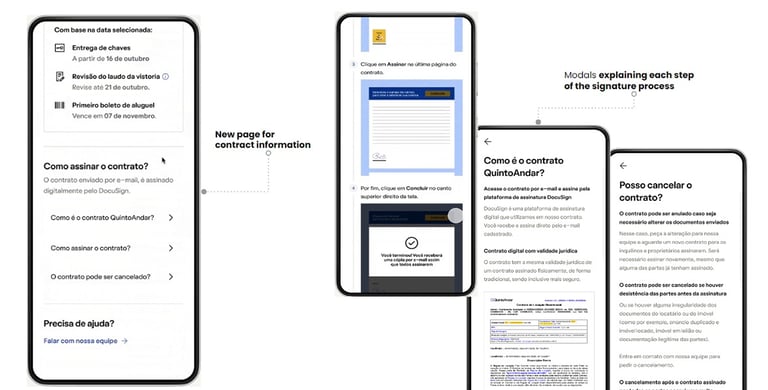
Tangible impact on the product roadmap
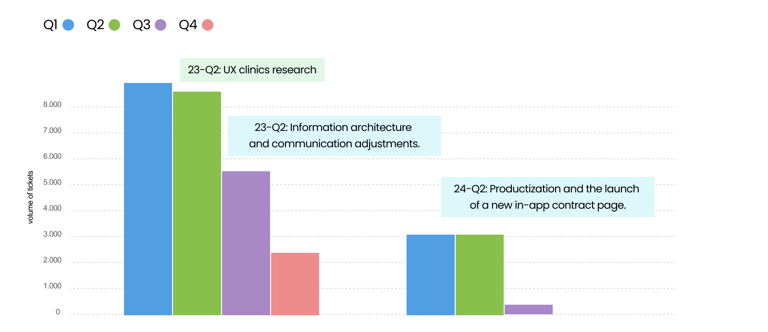
Our assessment drove meaningful changes to the implementation team’s roadmap, bringing visibility to previously unplanned issues and enabling experience-focused improvements
These changes generated $108K in savings per semester and $432K annually by significantly reducing support tickets and operational effort.
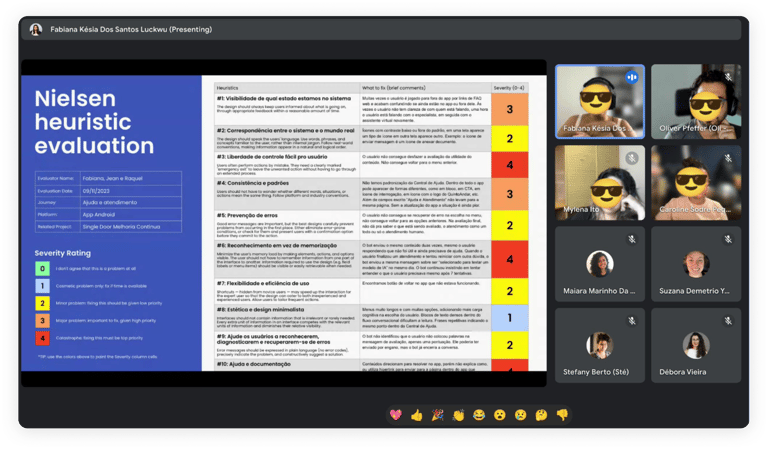
Happy surprise of a meeting showcasing one of the UX Clinics templates
Time flies, and we continue to see designers using our UX Clinics templates in their own projects. It's always a wonderful surprise!
😎
Thanks for reading!


I’m always interested in new projets, if you have any questions or want do discuss and idea, send me an email to debborasvieira@gmail.com
✦
Linkedin ↗︎