
How we created a happy path for repairs requests
Role
Me 👋
PM- Tatiana Moreno
EM - Wanderley carvalho
Data: Larissa Melo
Engineering team (3 fullstack)
Product Design
Team
Tools
Figma
Figjam
Notion
Status
In prod


This is a QuintoAndar case, a proptech that enables tenants to rent properties entirely through digital means, negotiating directly with property owners.
Think of it as an Airbnb, but for renting purposes. You can gain a better understanding of what QuintoAndar is through this Forbes article.
A bit of context
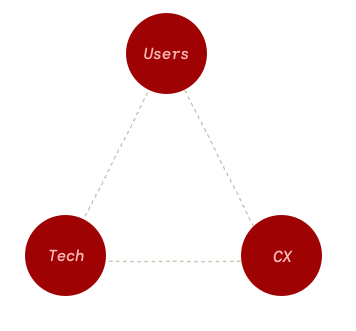
I worked in the Support & Services department, part of a multidisciplinary team across Product, Technology, and Customer Experience. My focus was the ongoing rental journey — supporting tenants and landlords throughout active leases.
Repairs were the second most common issue at this stage, covering plumbing, electrical, and general property maintenance. This case explores improvements to the repair experience for both sides.
✦ Problem discovery
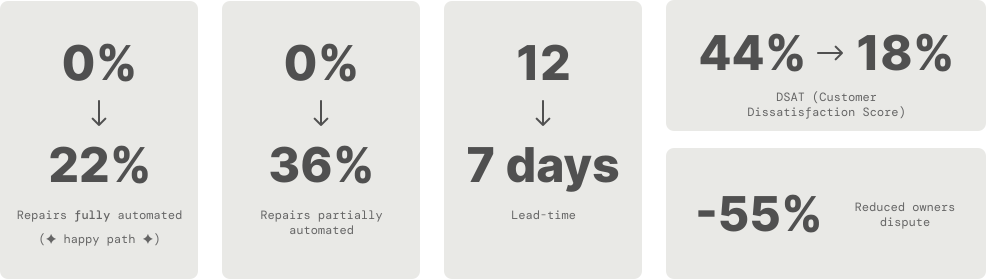
The starting point was clear: DSAT reaching 48%, long lead times (around 12 days), and a CX team buried in tickets. To understand the root causes and identify bottlenecks and inefficiencies, I conducted an in-depth discovery.
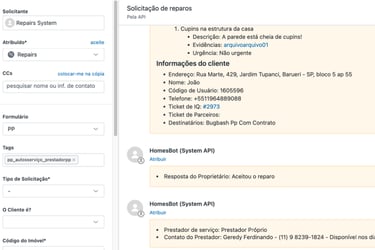
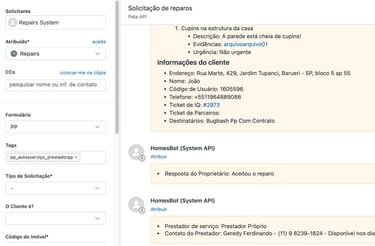
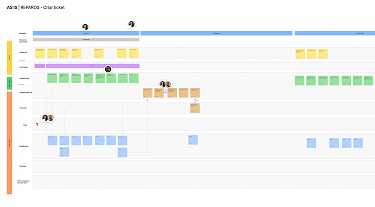
CSAT and ticket qualitative analysis
Shadowing and interviewing CX team
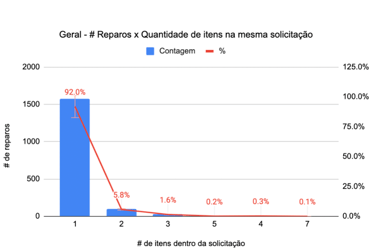
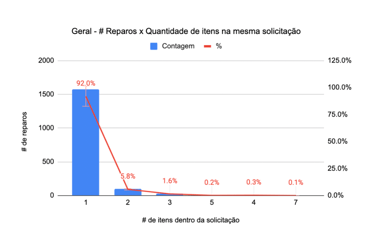
Data and metrics analysis
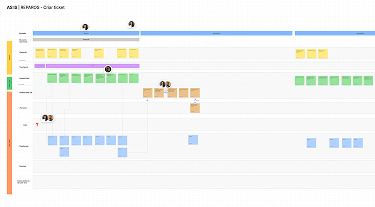
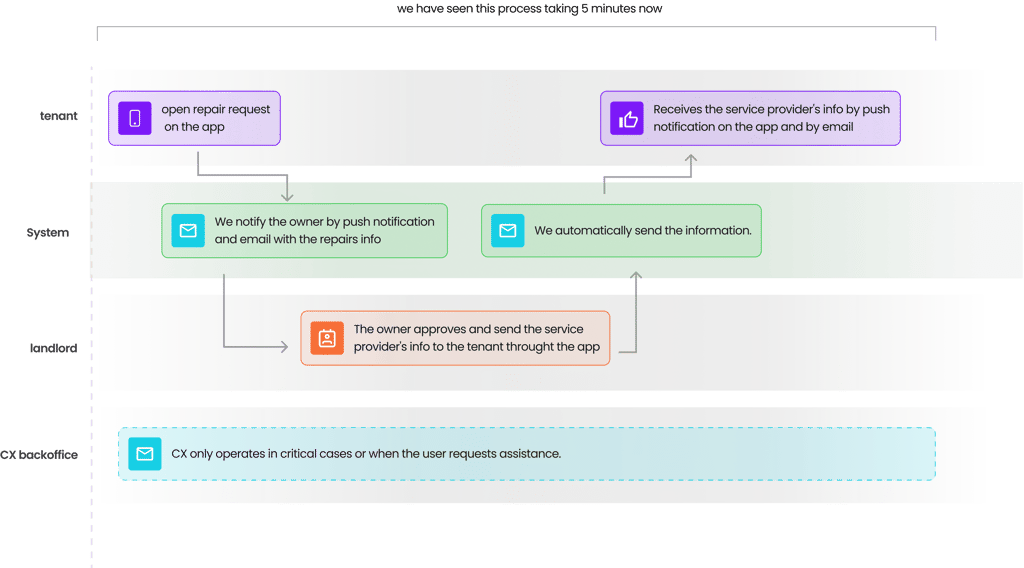
Mapping the process using service blueprints
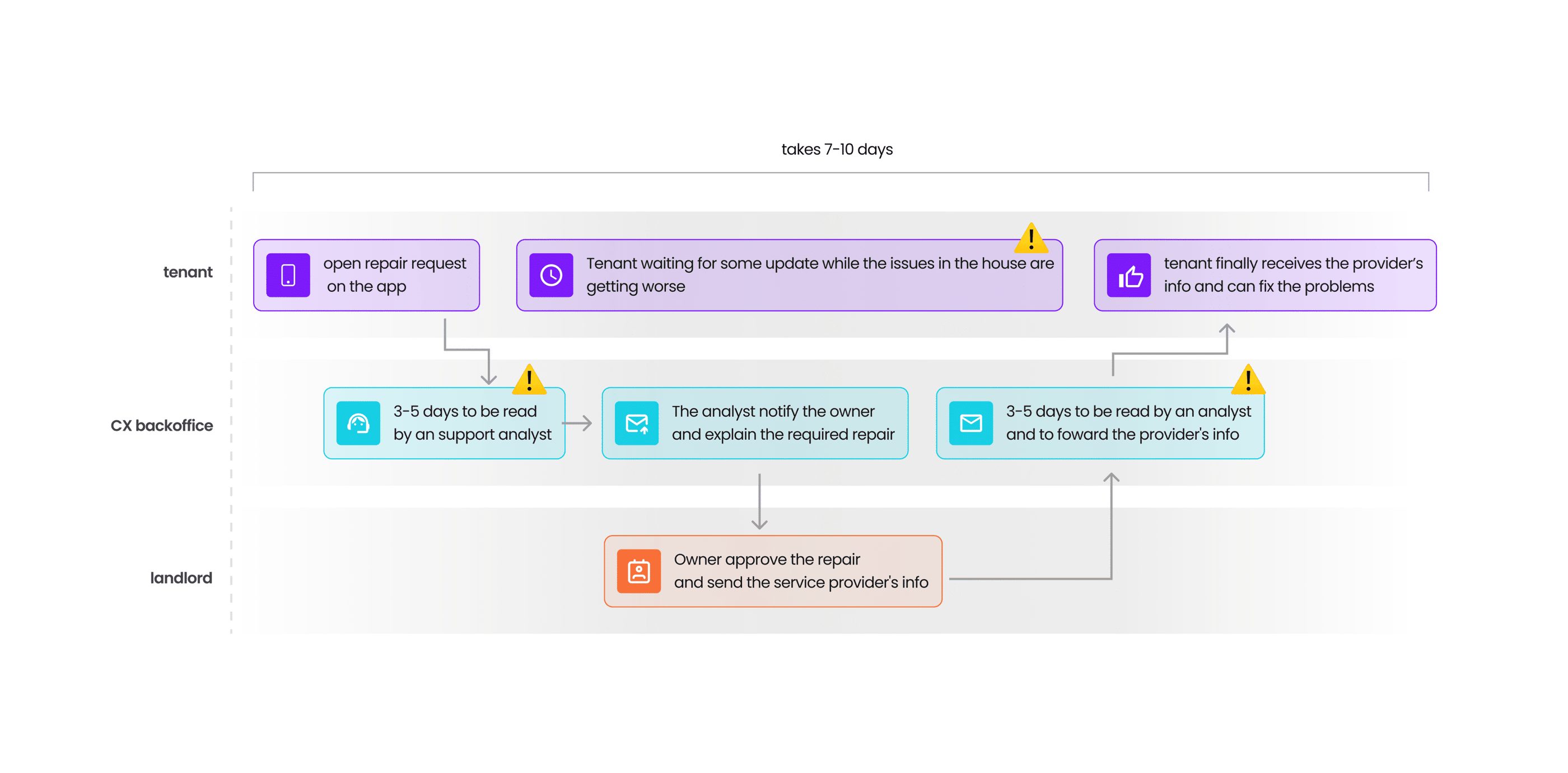
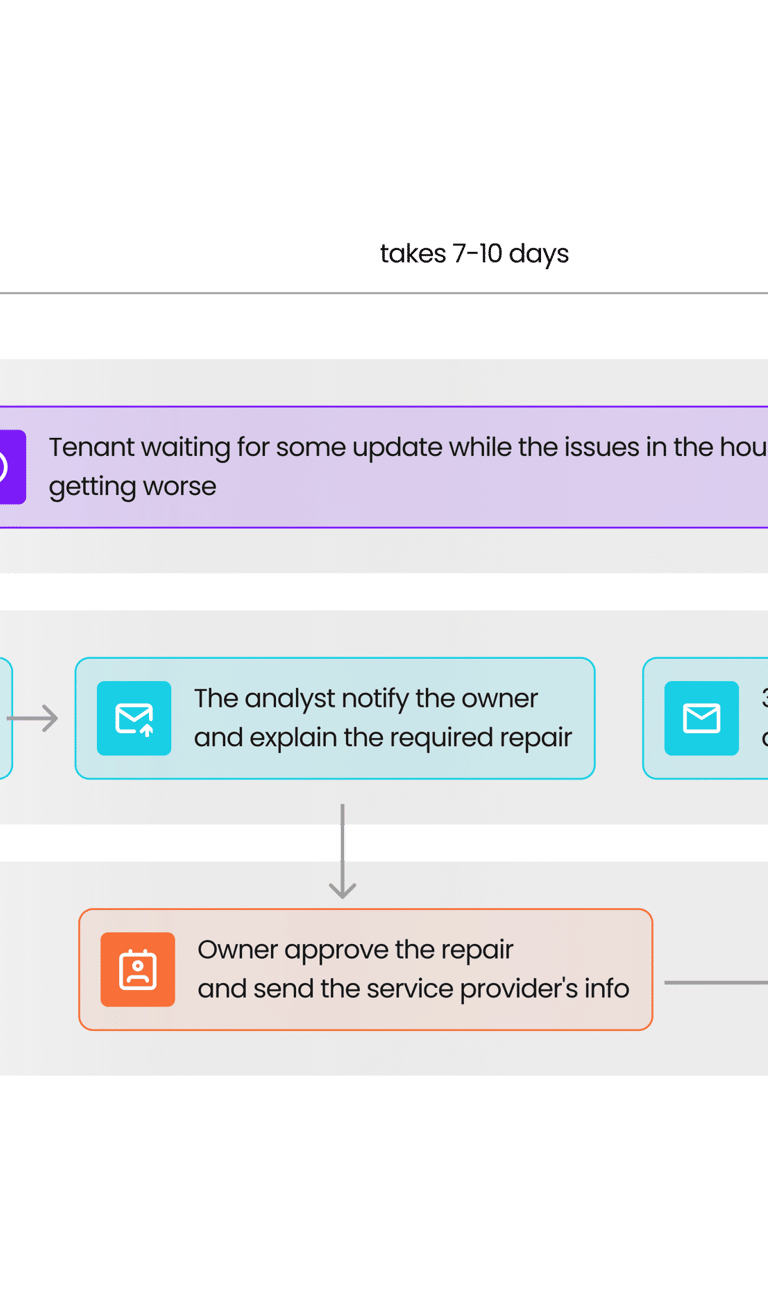
There was no happy path
The repair process was really slow

Due to highly manual and complex workflow, and being a process that relied heavily on intermediation between the parties.

Not even for simple requests with engaged users.
What was dicovered?
The existing process
✦ Hypothesis
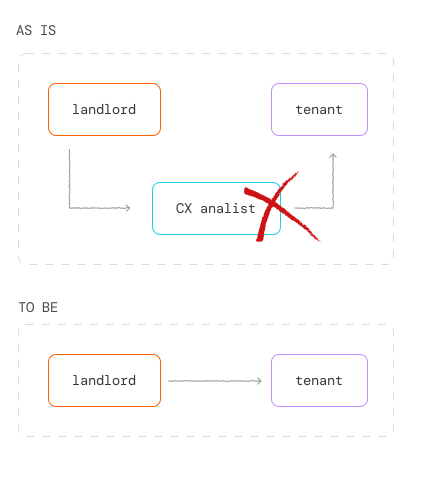
Hypothesis:
Enabling self-service repair workflows will reduce operational effort, improve scalability, and provide faster responses, leading to a better perceived experience for tenants and landlords.
Based on the research findings and the company's goal of increasing scalability, the hypothesis was built around a self-service approach.
★ Wizard of Oz MVP
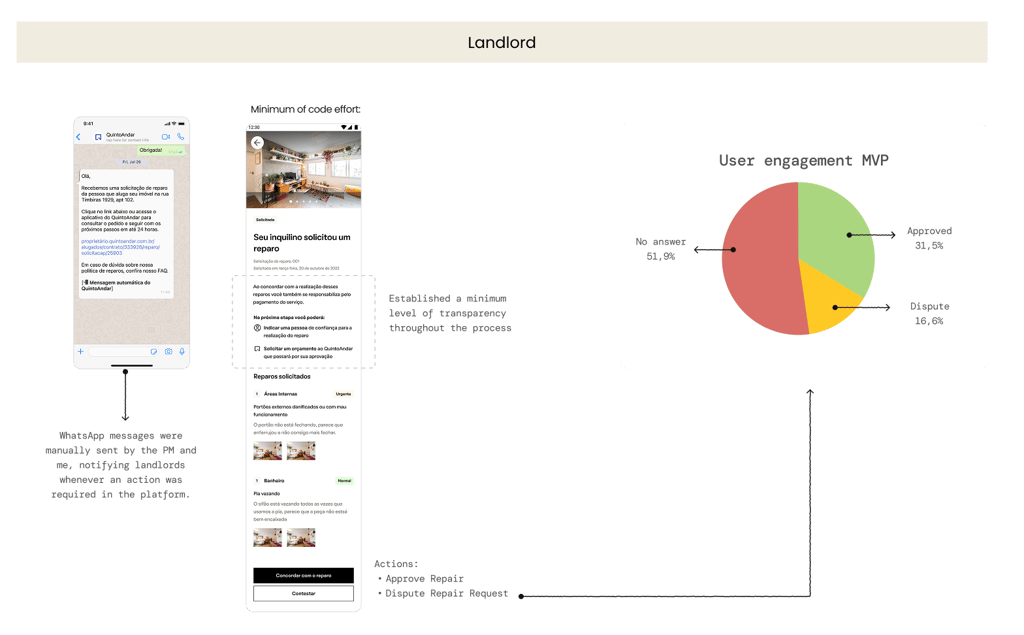
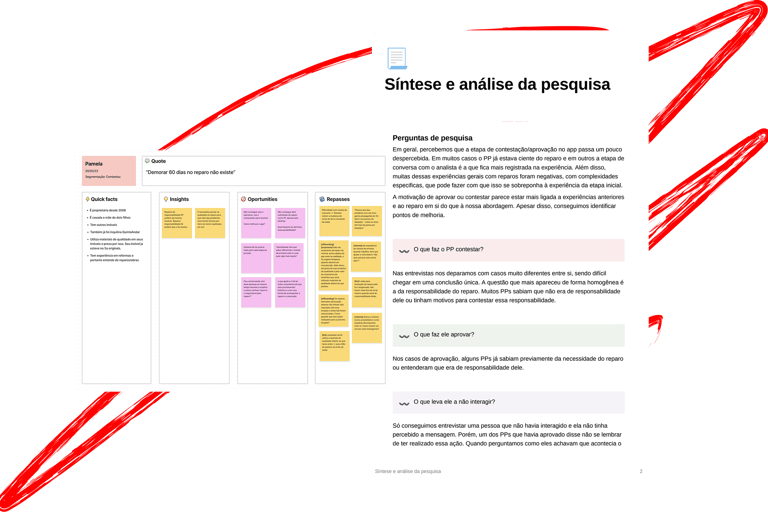
I conducted interviews with 12 users who experienced the MVP to better understand their perceptions and identify opportunities for improvement before rollout.
The research uncovered opportunities to improve the repair journey, with the strongest signal being the need for clearer repair policies, responsibilities, and expectations.
Combined with a 49% engagement rate during the experiment, these findings provided enough confidence to proceed with a full rollout.
To validate the hypothesis, a Wizard of Oz MVP was launched with a sample of 260 users over a two-week period
Final Solution
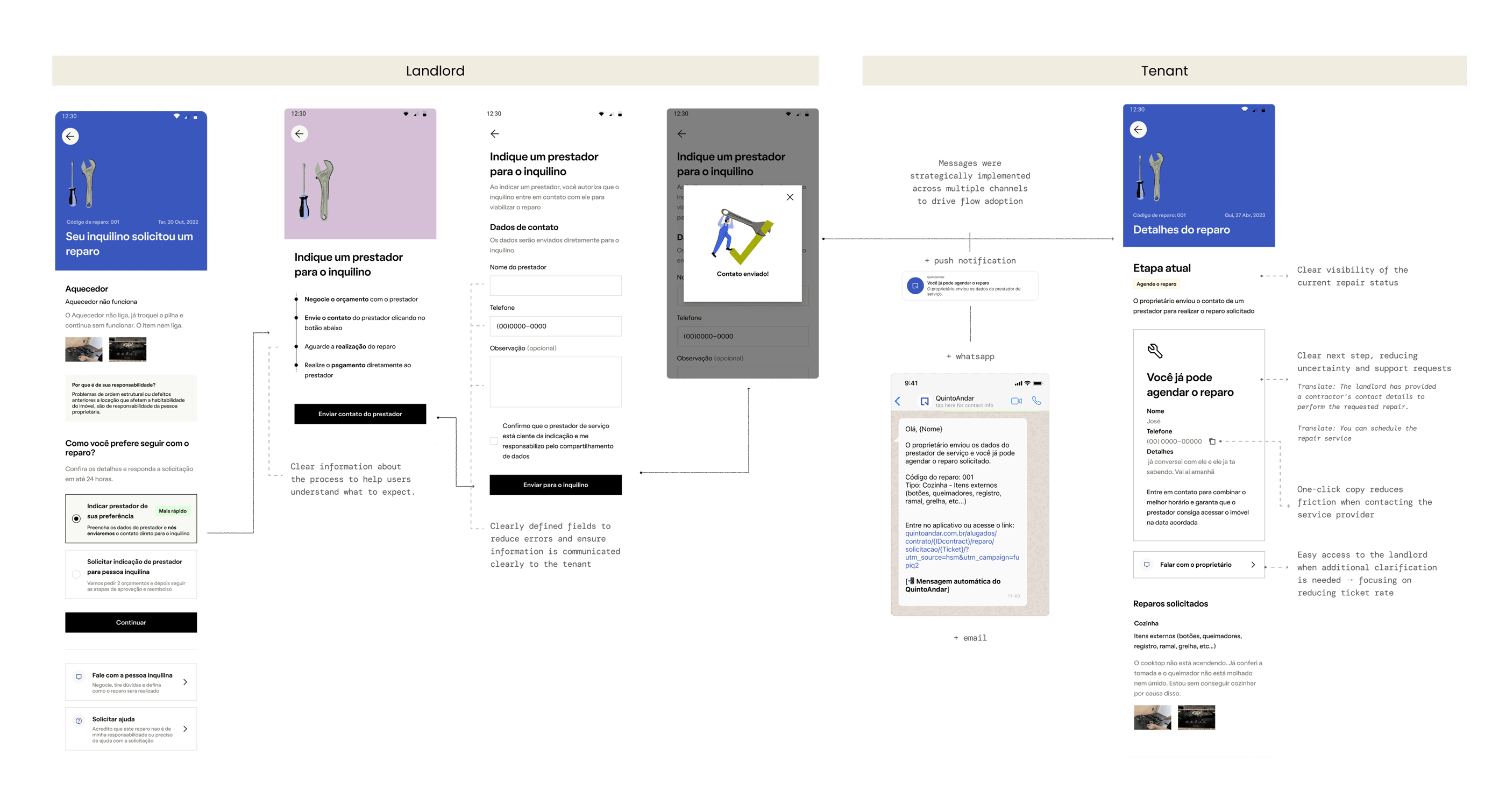
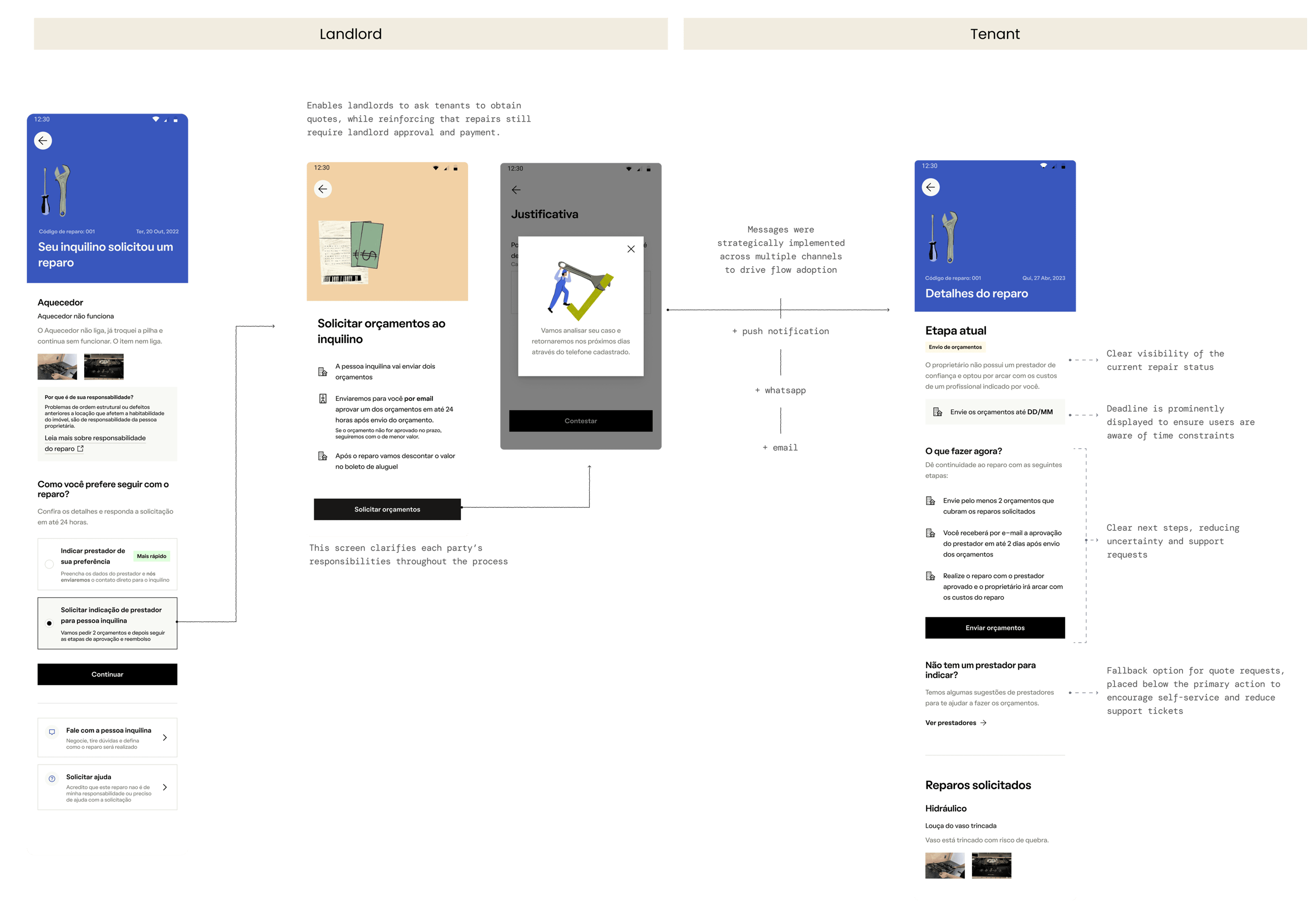
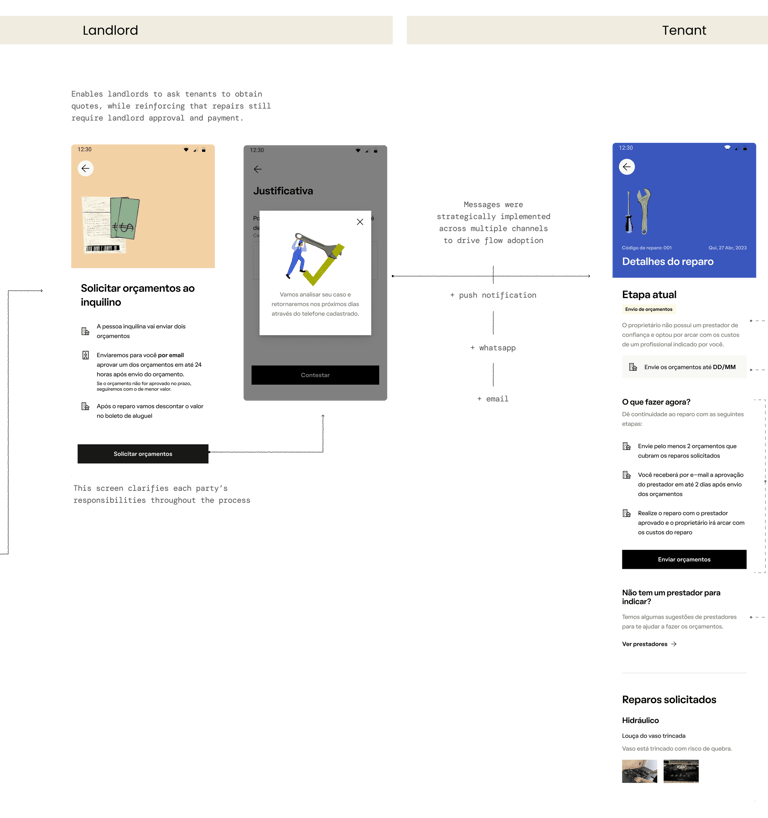
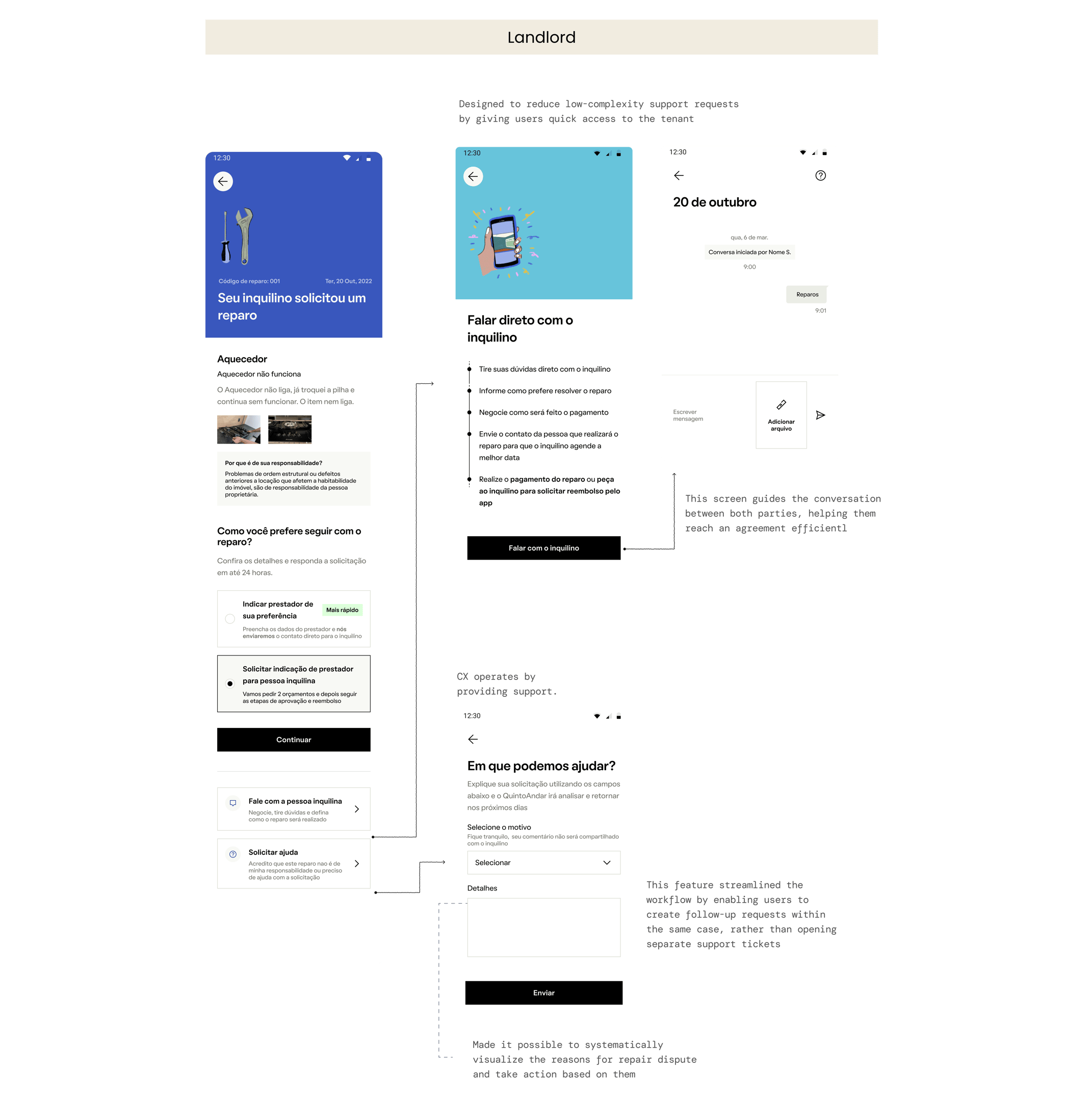
The final solution introduced self-service repair management within the app, allowing tenants and landlords to complete key actions independently.
In parallel, the CX workflow was redesigned to automate manual steps and streamline operations. As a result, the CX team could focus on complex repair cases that genuinely required mediation, rather than handling routine process coordination.
Experience on the app
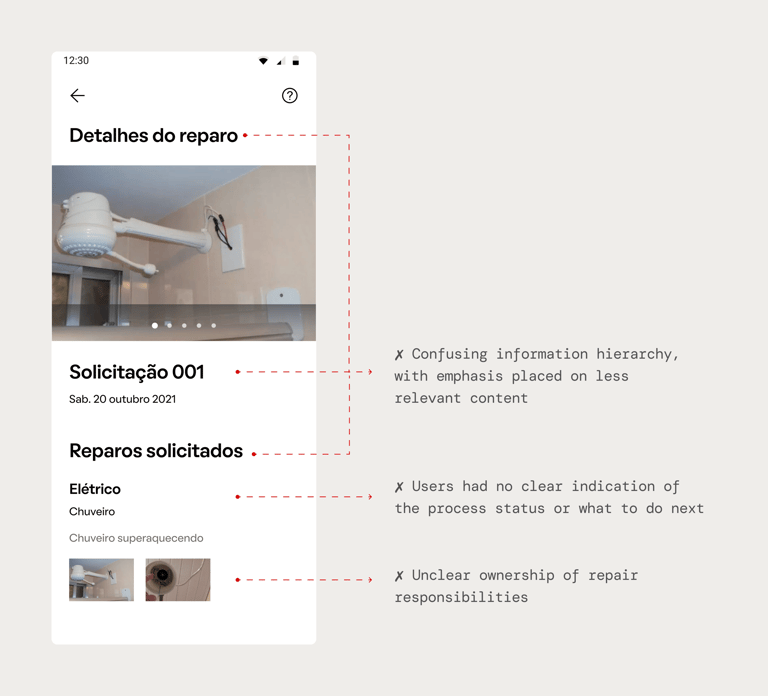
How it was
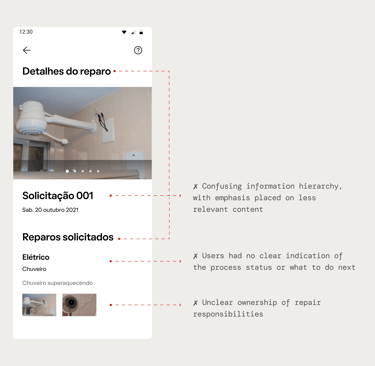
This was the screen in place for monitoring repairs, both for tenants and landlords. It displayed repair requests, but lacked any actionable steps or guidance on how to proceed.
▶ Given the substantial backend efforts and internal processes, major frontend changes were not prioritized.
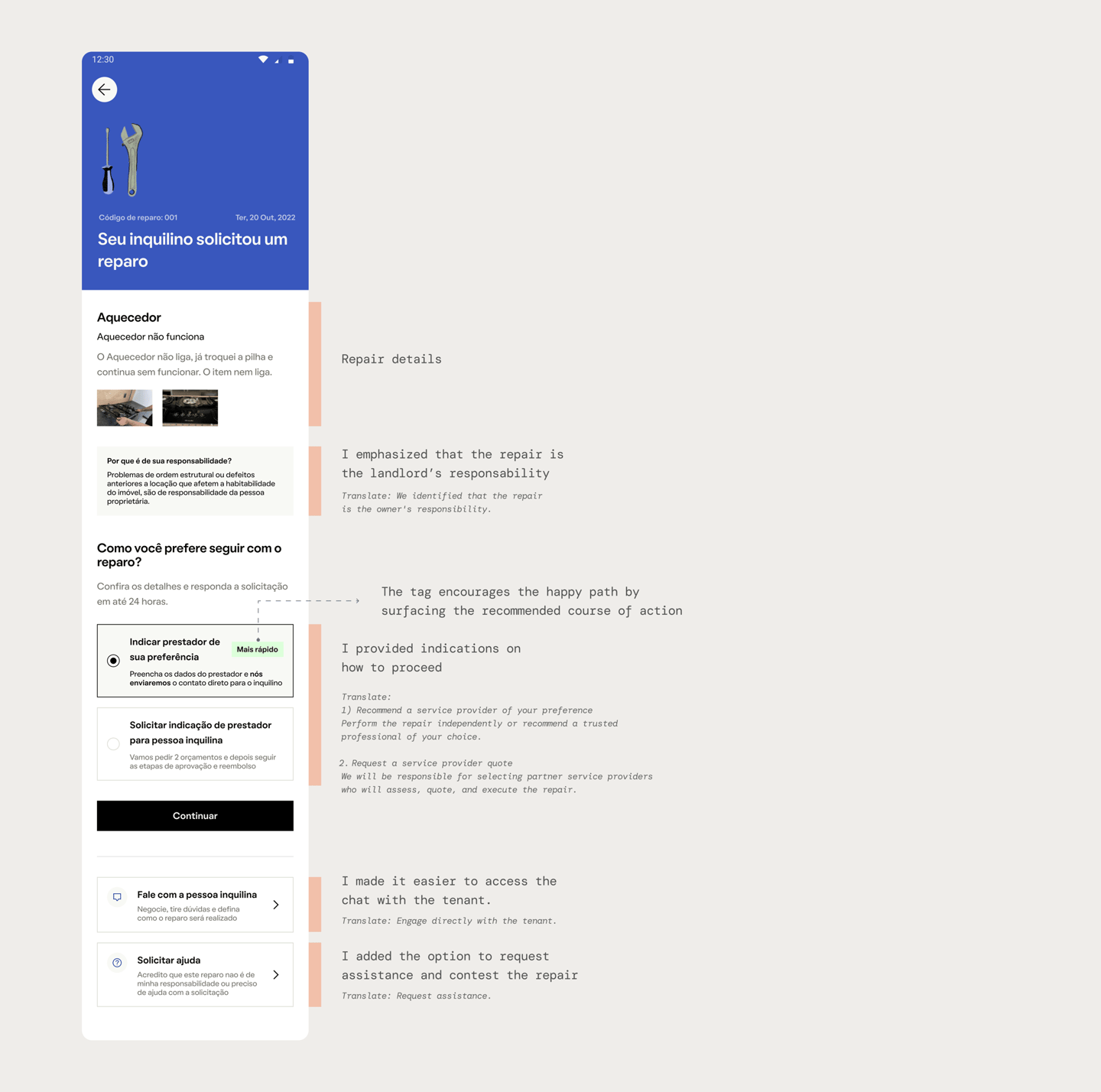
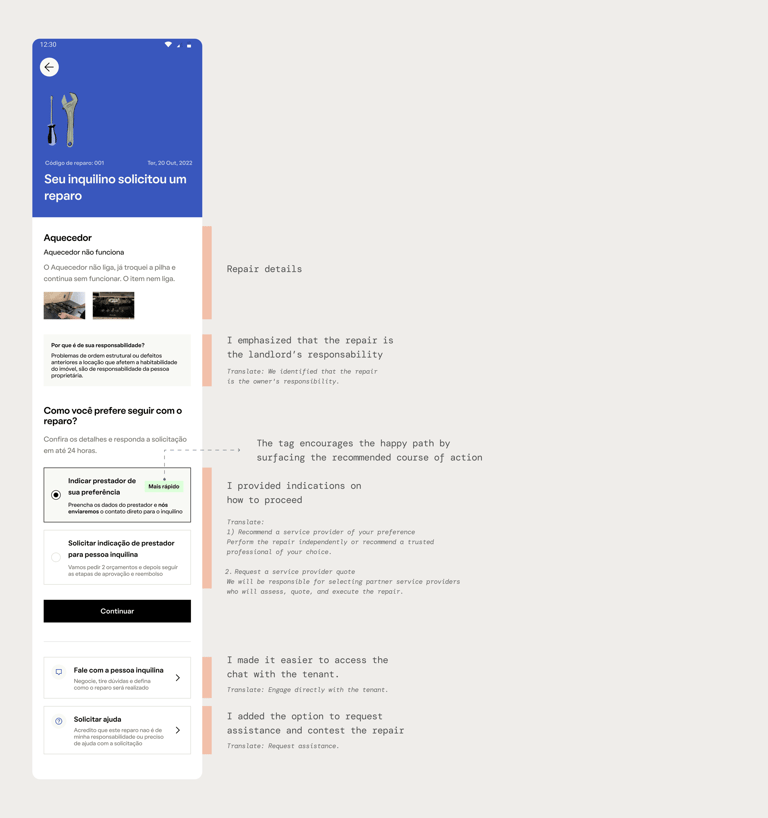
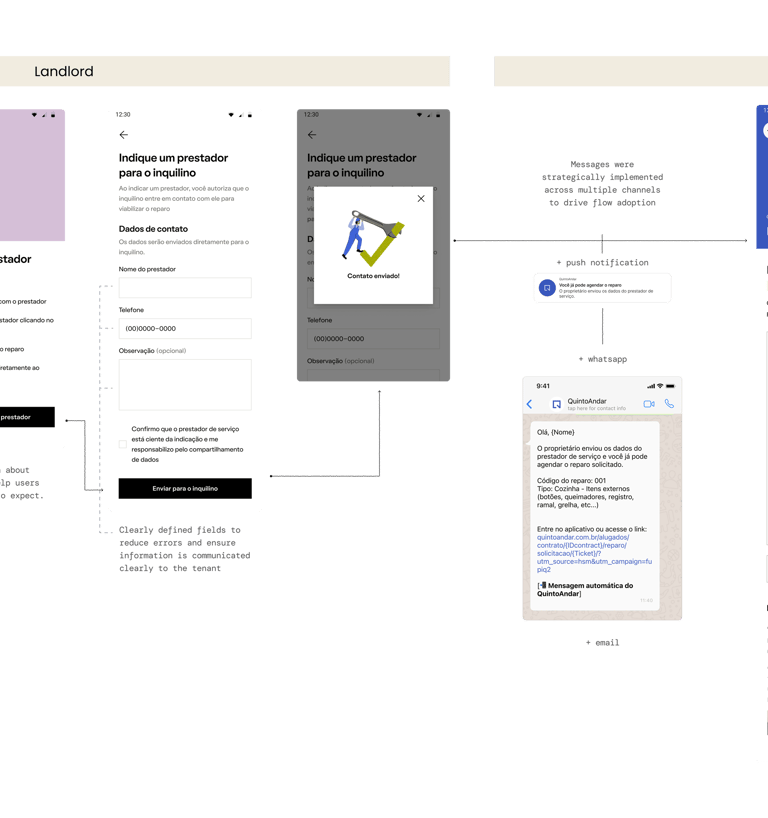
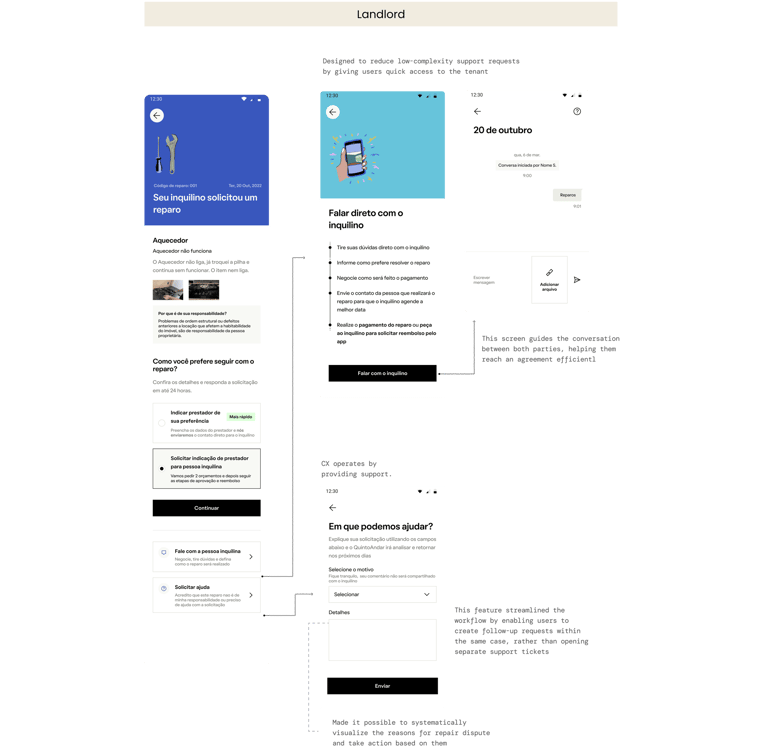
What was deliveried
The happy path
Other journeys
✹
Now there's a happy path on repairs!
After several iterations and continuous improvements, the solution delivered strong results. The initiative later expanded to productize additional steps of the repair journey.
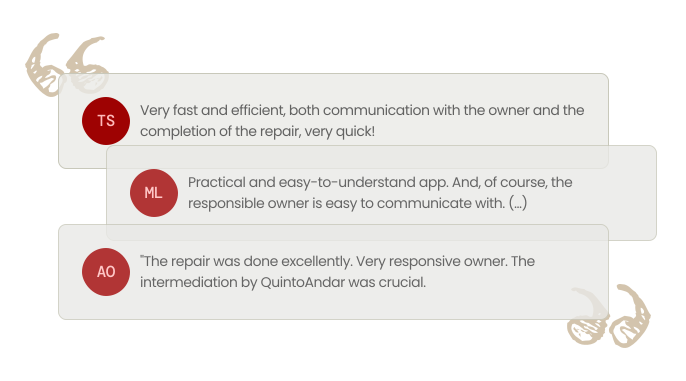
On a personal note, it was incredibly rewarding to see repair requests being resolved in as little as three minutes after the rollout, something that simply wasn't possible before.
✎
That's great, but what didn't work as intended?
Despite multiple iterations and ongoing analysis, engagement remained relatively stable at around 50%.
However, significant improvements were achieved within that engaged segment, including a more efficient workflow, fewer disputes, and a reduction in additional support tickets.
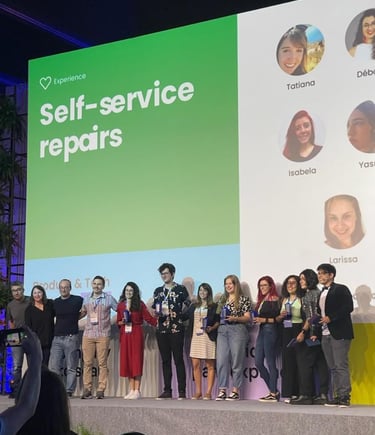
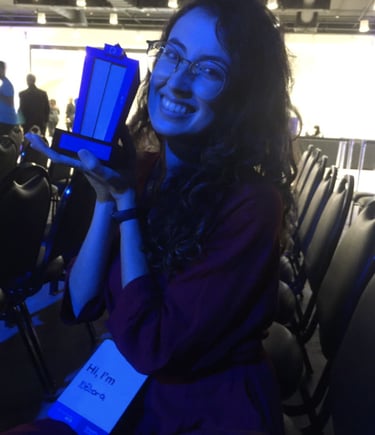




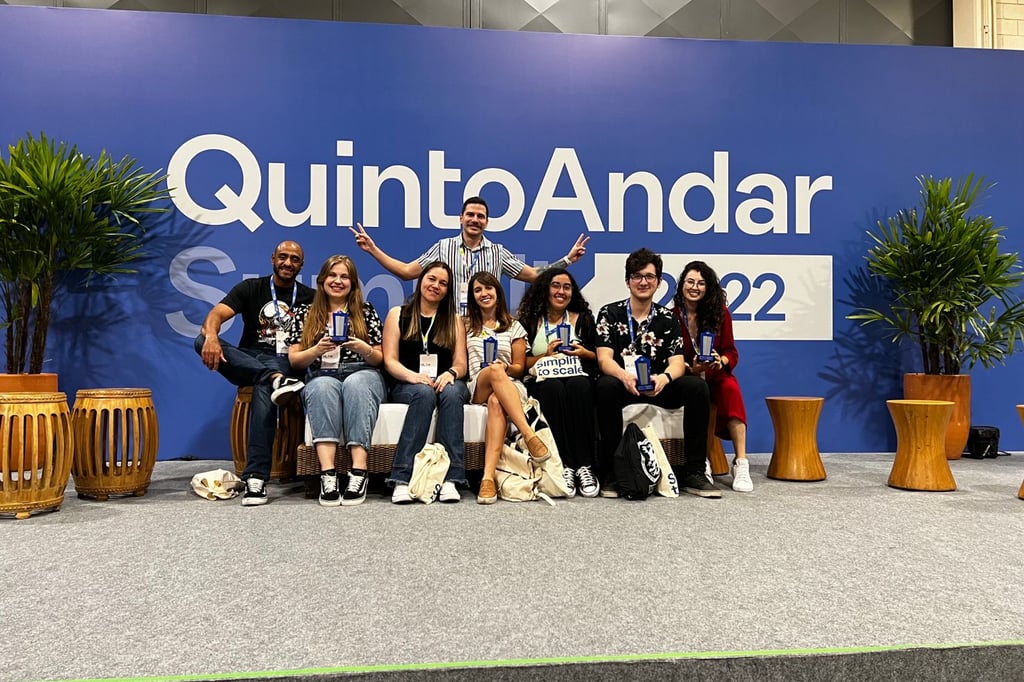
Me and my team received acknowledgement for our dedication at the company's annual awards ceremony and secured the prize in the experience category for our adept resolution of a previously intricate issue through a straightforward approach
Thanks for reading!
wanna know more? let's chat!

I’m always interested in new projets, if you have any questions or want do discuss and idea, send me an email to debborasvieira@gmail.com
✦
Linkedin ↗︎